Fentanyl Decontamination
After fentanyl exposure, decontamination addresses rooms, vehicles and other surfaces.
See fentanyl decontaminationGet meth residue testing, decontamination, material removal and clearance steps for a home, rental, business or vehicle in Conway Springs. Keep people out of affected areas until the property has been assessed.
Meth lab cleanup involves testing a contaminated home, vehicle, rental or business, taking out affected materials and cleaning residue from methamphetamine or chemicals used to produce drugs.
Visible dirt is not required for meth residue to be present. Smoke from meth may deposit it across ceilings, appliances, walls, personal belongings, cabinets and floors. Where production occurred, fuels, acids, salts, solvents and unidentified mixtures may also remain. Before containers are moved or routine cleaning begins, those hazardous substances require careful assessment.
The biohazard remediation process should follow the testing results and the rules for the property location. Cleanup technicians isolate the affected area, use protective equipment, remove materials that cannot be cleaned, wash remaining surfaces and address the air system when needed. Post-remediation samples then show whether the tested areas meet the applicable clearance level.
You learn which belongings may be cleaned or discarded after their material and condition are assessed.
Your cleaning service should organize photographs, work notes, waste paperwork and sampling reports into a clear file so you can move forward after clearance.
Before remediation, you should receive a written plan covering clearance steps, cleaning methods, affected areas, removal decisions and the basis for testing.
Controlled work zones and clean access paths limit dust, tools and contaminated materials from moving into the rest of your property.
Evidence from testing or dependable property records can show residue associated with meth use or manufacture. This calls for meth decontamination cleaning services. Each case begins by considering test results alongside the property history. Situations commonly include:
A car, recreational vehicle or truck may have contamination across its seating, flooring, interior trim and ventilation surfaces.
A landlord or manager who learns of possible drug activity after a renter leaves needs testing ahead of repairs or another tenancy.
A room or unit needs a controlled assessment after suspected meth use, with surrounding areas checked when the evidence calls for it.
Law enforcement has released a property where meth was produced, and chemicals, stained materials or residue may remain in several rooms.
Your first job is to prevent exposure and keep residue from moving. Take these steps before professional cleanup begins:
Call (888) 440-9227Published PushLeads figures start with light contamination, such as repeated smoking in one area, at $5,000 to $10,000 for the job. Moderate contamination is listed at $10,000 to $25,000 for the job, and the top of the scale is $120,000 for large or heavily contaminated sites. Testing a multi-room property is a separate $1,500 to $3,500 line item per job. None of this is a quote for your property.
These ranges come from published national cost guides, not from a site visit. After an on-site assessment, the price for your property is determined and shared with you before cleanup begins.
Ask about cost: (888) 440-9227Coverage for meth contamination depends on both the cause and insurance policy, which may exclude pollution, vacancy, criminal acts or contamination. Report what was found and ask about available insurance assistance. Before approving work that is not an emergency, request the coverage decision in written form.
Law enforcement may secure evidence and release the scene, but the property owner generally must arrange environmental testing and remediation afterward.
Keep photographs, lab results, the police release, remediation scope, waste paperwork, invoices and the clearance report in one organized file.
Tell the insurance company how the contamination was discovered. Ask about testing, remediation, removed building materials and loss-of-use coverage.
Property owners commonly organize evaluation and remediation work for rentals. Seeking reimbursement from the renter is a different matter from restoring safe property conditions.
A measured sequence is used for the meth lab cleaning process. Each part must align with the property's assessment, its plan for testing and the local clearance rules that apply.
Work starts only after cleanup technicians evaluate visible hazards, ventilation, room arrangement, police release status, property history and likely contamination paths.
Sampling surfaces helps locate affected areas and set an initial benchmark. The relevant local procedure should guide where and how samples are collected.
The written scope identifies containment, materials to remove, surfaces to clean, the treatment of contents and the final clearance steps.
Clean spaces remain isolated from the work zone. Protective gear for cleanup technicians must match the dust, chemical risks and residue discovered at the property.
Insulation, damaged building materials, carpet, padding or soft furnishings may be removed for waste disposal when cleaning cannot meet the required level.
Material-specific methods are used in a controlled sequence to clean the remaining walls, ceilings, floors, fixtures and cabinetry.
Separate assessments cover portable possessions and building ventilation. Depending on test evidence and physical state, contents may be decontaminated, set apart or thrown away.
When the cleaned area is prepared for testing, clearance samples establish whether additional work must occur ahead of reoccupation.
Call any hour. A meth lab cleanup specialist answers, explains the steps and agrees a start time with you.
Even if you notice no strong odor, contaminated dust, chemicals remaining after production and direct contact with skin can make a former meth property a serious health risk.
Pets and children frequently contact objects and floors. Keeping them out of the affected area reduces contact while testing and cleanup are pending.
Unlabeled containers, powders and liquids may be corrosive, flammable or reactive. Avoid opening or smelling them, and never combine or discard them in household waste.
Contamination may collect on flooring, counters, toys, walls and other items people touch often. A normal-looking surface may not meet the required level for clearance.
Can you clean it yourself? Suspected meth contamination requires more caution than a small domestic spill. You cannot use domestic cleaners to measure residue movement or verify that a surface passes the local clearance standard. Testing and a meth-specific remediation plan are the safer starting points.
Several workdays may be needed when meth contamination is confined to one area. For an extensive production site, cleanup can continue for several weeks. The schedule is driven more by material removal, testing turnaround, clearance samples and repeat cleaning than by the number of rooms.
| Scene | Typical time on site |
|---|---|
| Restricted residue affecting little space | Several days of work, plus time for laboratory processing |
| Several rooms or HVAC involvement | Often one to several weeks |
| A past meth production property with chemical harm | Could require several weeks plus multiple clearance rounds |
Odor is not a reliable meth test. A sharp chemical smell can warn you to leave, but a property can have surface residue with little or no noticeable odor. Do not enter to investigate a smell or use fragrance to cover it.
Source control must happen first when addressing air quality and odor. Production chemicals, settled dust and contaminated porous material need attention before air cleaning becomes useful. The HVAC system may be part of the assessment, as may ducts, filters and adjoining rooms. Whether the space seems to smell clean cannot decide clearance. That decision should be based on required sampling.
Your applicable regulations and clearance level depend on the state and locality. Contact your building, environmental or health agency to identify the requirement governing cleanup before work starts.
A local protocol might set requirements for sampling design, laboratory analysis and final clearance reports. Keep records because owners, buyers, tenants or officials may request them.
Household waste is not automatically appropriate for contaminated rubble and chemicals of unknown origin. The materials discovered and local requirements determine waste categories and disposal methods.
Any infectious debris or needles present with drug items must be managed separately. Kansas regulates waste that could cause disease or injury as medical services waste, a form of solid waste. Kansas Department of Health and Environment rules control its handling and processing, so it cannot go in household trash.
The full meth lab cleanup guide covers what is cleaned or removed, odor and air quality work, and the rules that apply in your state.
Read the full meth lab cleanup guide
Containment, entry and cleanup plans can be influenced by local housing, population and access details.
In an area with 23.6% renter occupancy, direct homeowner approval can simplify choices about opening walls or replacing affected finishes.
A median build year of 1966 means fluids can pass through carpet or seams and affect padding or subfloor below.
In Conway Springs, 60 older adults live alone, making privacy important when relatives, landlords, or building staff become involved.
Because 87.4% of local housing is single-family, owners often can make direct decisions about removing affected structural materials.
Your phone conversation can include questions about service in nearby ZIP codes and communities.
After fentanyl exposure, decontamination addresses rooms, vehicles and other surfaces.
See fentanyl decontamination
Removal of needles, pipes and drug residue from rentals and properties.
See drug paraphernalia cleanup
Grow house cleanup removes chemicals, mold and property damage left by indoor cultivation.
See marijuana grow house cleanup
Hazmat cleanup uses suitable protective equipment when addressing hazardous materials.
See hazmat cleanup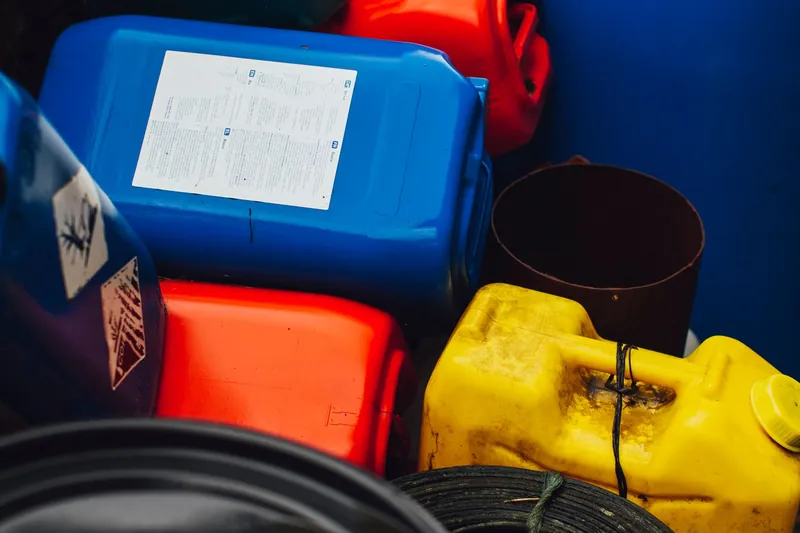
Toxic and chemical waste cleanup includes safe disposal.
See chemical and toxic waste cleanup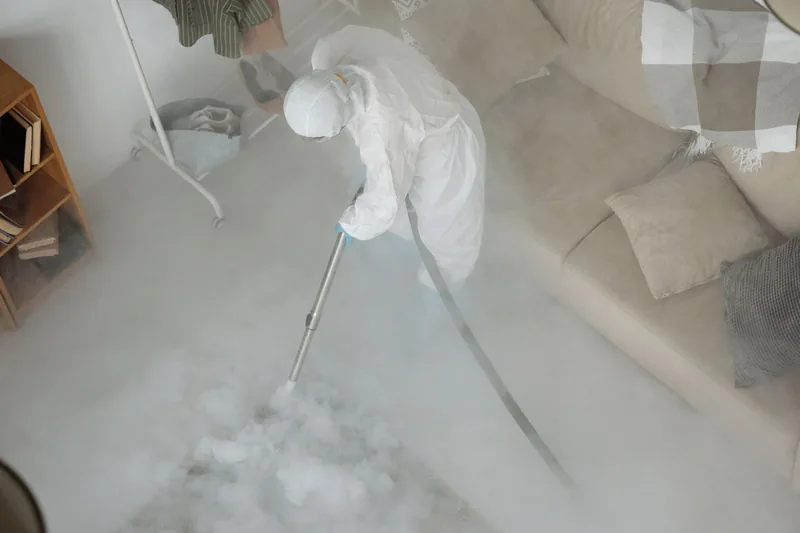
Full decontamination of rooms, surfaces and air after infectious or hazardous exposure.
See biohazard decontamination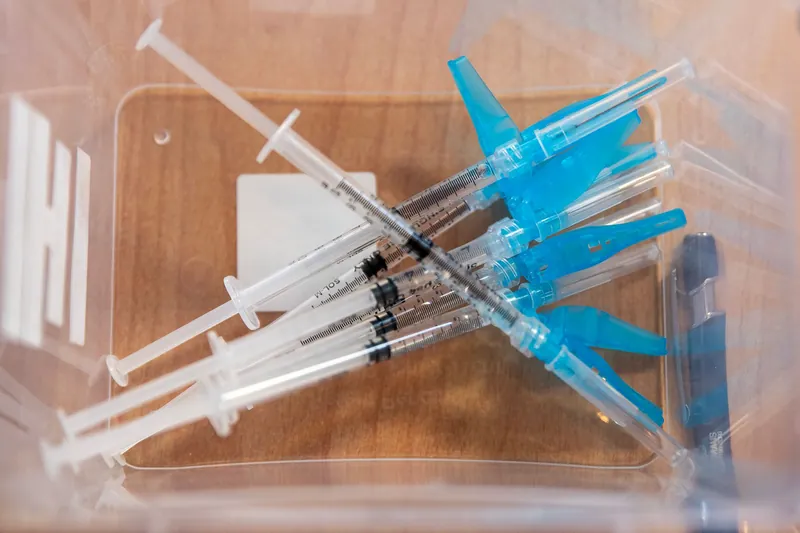
Cleanup removes sharps and needles from parks, rental sites, yards and encampments.
See needle and sharps cleanup
Biohazard cleanup for hotels, Airbnb units and rental properties.
See hotel, Airbnb and rental biohazard cleanupA do-it-yourself attempt may distribute affected dust while leaving the outcome difficult to document. You cannot use ordinary cleaning products to test residue levels or establish clearance. Start with professional sampling and the local cleanup standard. Afterward, the written plan identifies what can undergo cleaning and what should be taken away.
Coverage depends on the policy, how the contamination occurred and any exclusions for pollution, contamination, criminal acts or vacancy. Report the discovery to the insurance company, explain how you found it and ask if temporary housing, testing, removed materials, remediation and clearance sampling have coverage.
Material type, condition, value and residue level should guide an individual assessment of each belonging. Certain hard belongings may be suitable for washing. Books, soft furnishings, carpets and similar absorbent materials may be difficult to decontaminate. The work plan should explain which items are isolated, cleaned, tested or discarded.
Bleach is a disinfectant, not a meth clearance test. The amount of residue left is not shown by bleach, and mixing cleaners where unrecognized lab chemicals remain poses a hazard. Your remediation plan should specify a technique appropriate for the wall coating, residue amount and requirements in your area.
Never treat sight and odor alone as proof that the space can be used. The governing local rule and written advice of the appropriate environmental or public agency should determine when reoccupation occurs. Final samples objectively indicate if the property requires another cleaning cycle.
Several working days may be enough for limited contamination, while a manufacturing location with many affected rooms could need several weeks. Laboratory turnaround, removal of porous materials, cleaning cycles, HVAC work and post-remediation sampling affect the schedule. You may need another round of remediation when clearance testing stays above the required limit.
Respectful, discreet meth lab cleanup is available 24 hours a day, and crews arrive in unmarked vehicles.